

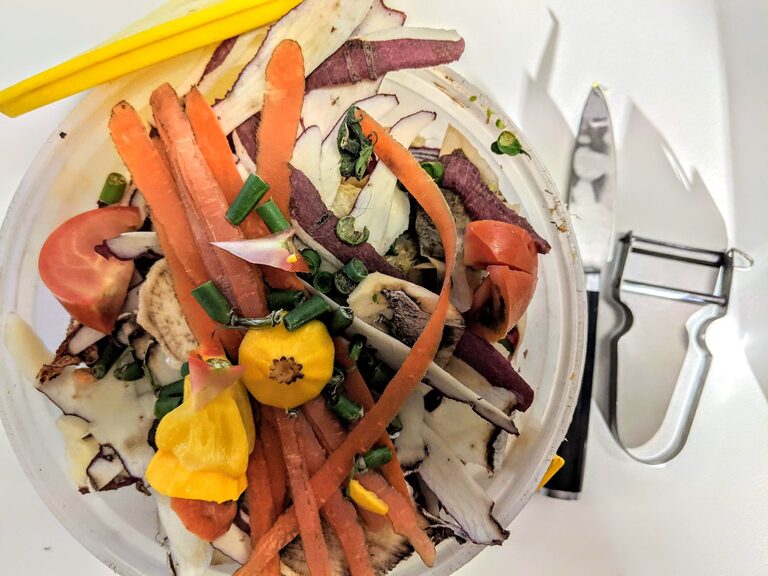
Reducing food waste at home is a smart way to save money, support sustainability, and make a positive environmental impact. Each year, millions of tons of food are discarded, much of it still edible. By adopting some easy habits and making small changes in your kitchen routine, you can significantly reduce the amount of food your household wastes. This guide will explore practical ways to minimize food waste, from smart shopping to creative cooking.
Why Reducing Food Waste Matters
Food waste isn’t just about throwing away money; it also affects the environment. When food ends up in landfills, it decomposes and releases methane, a potent greenhouse gas. Additionally, all the resources used to grow, process, and transport food are wasted. Cutting down on food waste helps conserve water, energy, and labor.
Plan Your Meals and Shop Smart
Create a Weekly Meal Plan
Planning meals ahead of time helps you buy only what you need. Try to plan breakfast, lunch, dinner, and snacks for the week. This can prevent impulse shopping and reduce the chance of letting food spoil before you use it.
Make a Detailed Shopping List
Before heading to the store, make a list based on your meal plan. Stick to it to avoid buying extra items that might go unused.
Shop More Frequently in Small Amounts
Buying smaller amounts more often can reduce waste compared to stocking up on perishable items that might expire before you use them.
Store Food Properly
Understand Expiration Dates
“Best before” and “use by” dates can be confusing. “Best before” often refers to quality, not safety. Use your senses to judge if food is still good to eat.
Use Clear Containers and Label Leftovers
Store leftovers and prepped ingredients in clear, airtight containers. Label them with dates to keep track of freshness.
Maximize Your Fridge and Pantry Organization
Keep older items at the front and new purchases at the back. This way, you use up food before it expires.
Use Leftovers Creatively
Reinvent Leftovers
Turning yesterday’s dinner into a new meal can be both tasty and waste-free. For example, roasted vegetables can become soup, or stale bread can become croutons or bread pudding.
Freeze Surplus Food
Many cooked dishes, fruits, and bread freeze well. Portion meals before freezing so you only thaw what you need.
Share Surplus Food
If you have more than you can eat, consider sharing with friends, family, or neighbors. Some communities also have food-sharing programs.
Be Mindful When Cooking
Cook Appropriate Portion Sizes
Avoid making more food than necessary, especially with dishes that don’t keep well.
Use All Parts of Ingredients
Many parts of fruits and vegetables are edible, such as beet greens, broccoli stems, and citrus peels, which can be zested or candied.
Compost Food Scraps
Composting reduces waste sent to landfills and creates nutrient-rich soil for your garden. Fruit and vegetable peels, coffee grounds, and eggshells are great for compost piles.
Educate Your Household
Involve Everyone
Make reducing food waste a family goal. Teach children why it’s important and how they can help.
Track Your Waste
Keep a simple food waste diary for a week to identify what’s being wasted and adjust habits accordingly.
Final Thoughts
Reducing food waste takes a bit of planning and awareness, but the benefits are worth it. You’ll save money, reduce your environmental footprint, and develop healthier habits in the kitchen. Start small by planning meals and storing food properly, then explore creative ways to use leftovers and share your surplus. Every bit of effort counts toward a more sustainable home.
By adopting these tips, your household can play an important role in cutting down food waste and supporting a healthier planet.