

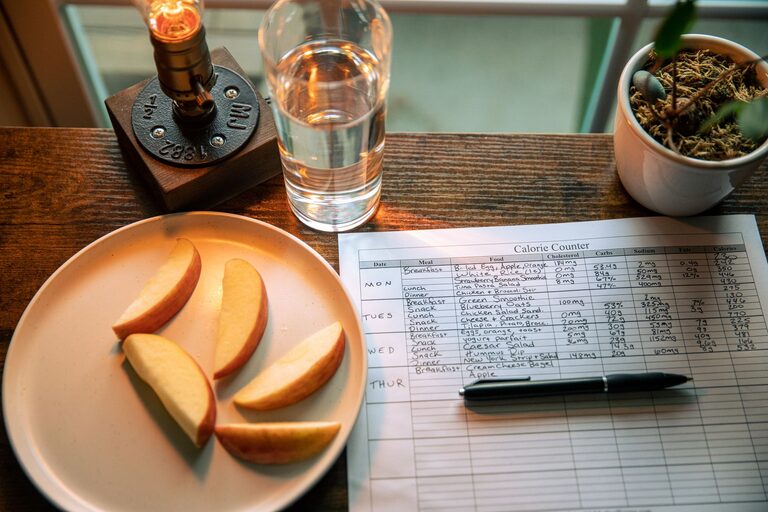
Eating balanced meals is essential for maintaining good health and feeling your best. However, the idea of planning nutritious meals day after day can sometimes feel overwhelming. Whether you’re new to meal planning or just looking for ways to reduce the hassle, this guide will help you create balanced meals without stress. With practical tips and simple strategies, you’ll be able to nourish yourself and your family easily and enjoyably.
What Is a Balanced Meal?
Before we dive into the how, let’s clarify what a balanced meal means. A balanced meal typically includes:
– Protein: Supports muscle repair and keeps you full. Examples: chicken, fish, beans, tofu, eggs.
– Carbohydrates: Provide energy, preferably from whole grains and vegetables.
– Healthy Fats: Aid brain function and nutrient absorption. Examples: avocado, nuts, olive oil.
– Fiber: Helps digestion and keeps blood sugar steady. Found in fruits, vegetables, and whole grains.
– Vitamins and Minerals: Essential nutrients that come from a variety of colorful fruits and vegetables.
Remember, balance doesn’t mean every meal has to be perfect. It’s about variety and including different food groups throughout your day.
Step 1: Start with a Simple Meal Template
A helpful way to reduce stress is to use a basic template for your meals. For example:
– Half your plate: vegetables and fruits
– One quarter: lean protein
– One quarter: whole grains or starchy vegetables
– Add a small amount of healthy fats
This visual guide makes it easier to assemble meals without overthinking portion sizes or ingredients.
Step 2: Plan Ahead, But Keep It Flexible
Spending just a little time each week planning can save you daily stress.
How to Plan:
– Choose 3–5 main proteins you enjoy and are easy to prepare.
– Pick a variety of vegetables and fruits to rotate through the week.
– Select whole grains and starches like brown rice, quinoa, sweet potatoes.
– Find simple recipes that use these ingredients in different combinations.
Be Flexible
Life happens, so stay adaptable. If you planned grilled chicken but want to switch to a veggie stir-fry, that’s okay! Planning is a tool, not a rulebook.
Step 3: Use Batch Cooking and Meal Prep
Batch cooking means preparing larger portions of ingredients or meals that you can use throughout the week.
Benefits:
– Saves time on busy days
– Reduces last-minute decisions
– Helps avoid unhealthy takeout
Tips for Batch Cooking:
– Cook grains like rice or quinoa in bulk.
– Roast a tray of mixed vegetables.
– Prepare proteins like baked chicken, beans, or tofu.
– Store ingredients in clear containers for easy access.
You can mix and match these components quickly to create balanced meals in minutes.
Step 4: Keep Your Pantry and Fridge Stocked with Staples
Having a well-stocked kitchen makes meal planning easier and faster.
Essential Pantry Items:
– Canned beans and lentils
– Whole grains (brown rice, oats, quinoa)
– Nuts and seeds
– Olive oil and vinegar
– Herbs and spices
Fridge Staples:
– Fresh vegetables like carrots, bell peppers, leafy greens
– Fruits that last, such as apples and oranges
– Eggs and dairy or dairy alternatives
– Ready-to-eat proteins like pre-cooked chicken or tofu
Check your kitchen weekly and refill items before running out.
Step 5: Make Meal Planning Enjoyable
Approaching meal planning as a creative and rewarding activity can help reduce stress.
– Experiment with new recipes or ingredients.
– Involve family members in choosing meals.
– Use colorful plates and fresh herbs for a beautiful presentation.
– Listen to music or a podcast while cooking.
When you enjoy the process, it feels less like a chore.
Sample Balanced Meal Ideas
Here are easy examples that follow the balanced meal template:
– Grilled salmon, quinoa, steamed broccoli, and a side salad with olive oil dressing.
– Black bean and veggie stir-fry with brown rice topped with avocado slices.
– Omelette with spinach, mushrooms, and tomatoes, served with whole-grain toast.
– Roasted chicken, sweet potatoes, and roasted mixed vegetables.
– Lentil soup with carrots and celery, served with a side whole-grain roll.
Tips to Avoid Common Meal Planning Mistakes
– Don’t overcomplicate recipes or make a long grocery list.
– Avoid perfectionism; meals don’t have to be ideal every time.
– Plan for leftovers; they can be meals or snacks later.
– Stay hydrated; sometimes thirst is confused with hunger.
– Listen to your body’s needs; adjust portions and ingredients accordingly.
Final Thoughts
Planning balanced meals without stress is possible with a few simple strategies. Focus on variety, use a flexible template, prepare ingredients in advance, and keep your kitchen stocked with basics. Remember, the goal is to nourish yourself while enjoying the process. Start small, and over time, meal planning will become a smooth and rewarding part of your routine.
Happy eating!